
LED Signage for Australian Businesses: A Complete Guide to Branded Displays
Discover how LED signage can boost your brand visibility, what to consider when ordering, and how to choose the right display for your organisation.

Written by
Corey Bishop
Corporate Gifts
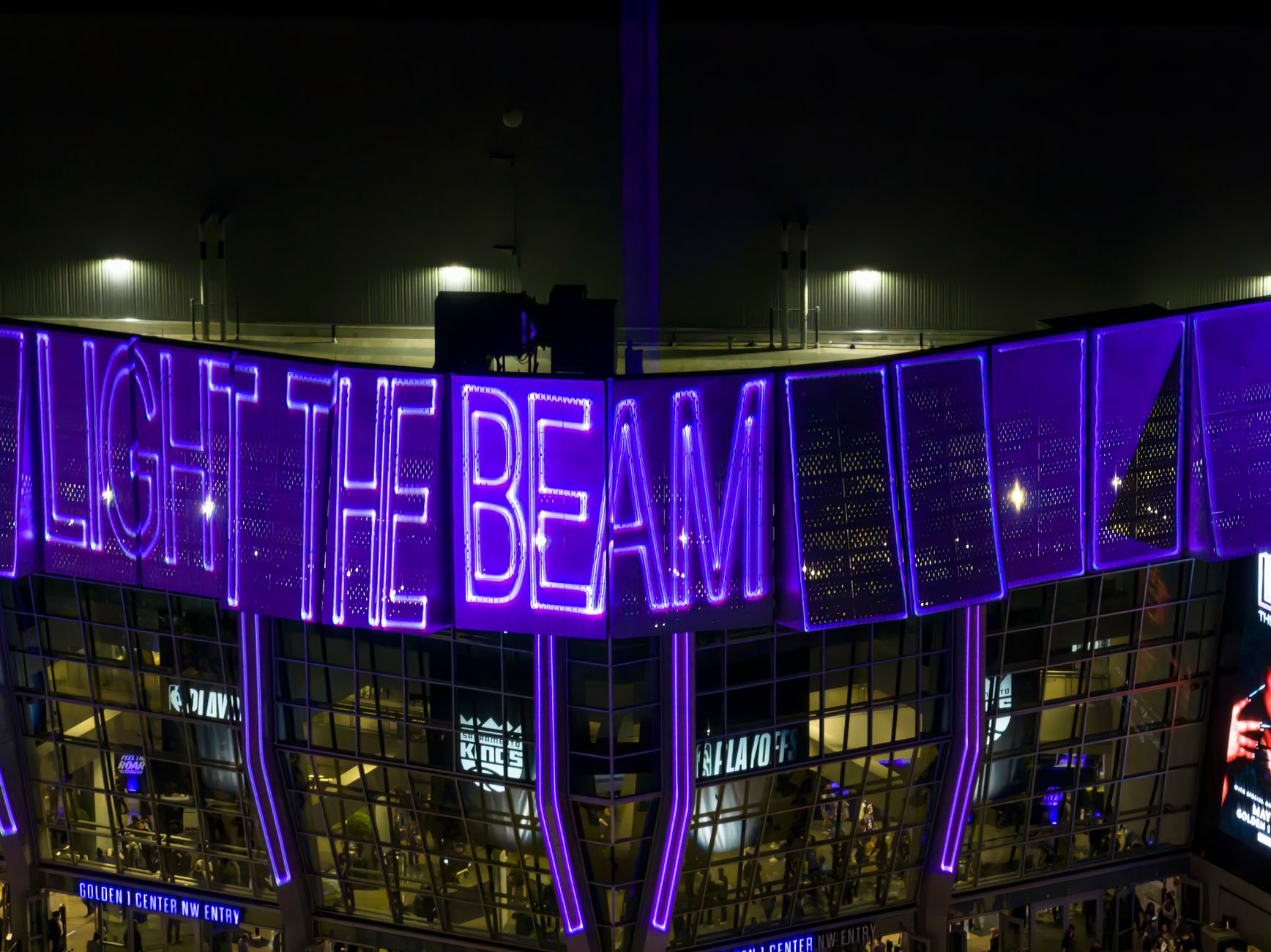
Branded visibility is everything in a competitive market, and if you’re looking for a way to make your business or event stand out from the crowd, LED signage is one of the most powerful tools at your disposal. From illuminated shopfront displays in Melbourne’s CBD to eye-catching trade show stands in Brisbane, LED signs have become a go-to solution for Australian businesses, organisations, and event planners who want to command attention day and night. But with so many options available — and a fair amount of technical jargon involved — knowing where to start can feel overwhelming. This guide breaks it all down so you can make a confident, well-informed decision about integrating LED signage into your branded merchandise and marketing strategy.
What Is LED Signage and Why Is It So Effective?
LED signage refers to display products that use light-emitting diode (LED) technology to illuminate text, logos, graphics, or full-colour imagery. Unlike traditional fluorescent or neon signs, LED displays are energy-efficient, long-lasting, and incredibly versatile. They can be used indoors or outdoors, run for tens of thousands of hours without significant degradation, and are available in formats ranging from simple illuminated box signs to large-format programmable digital displays.
For Australian businesses, the practical appeal is strong. Whether you’re running a retail shop in Adelaide, managing a conference in Sydney, or coordinating a sporting event on the Gold Coast, LED signage creates a visual impact that static printed materials simply cannot match. The brightness, movement capability (in the case of digital LED screens), and ability to update content remotely make these displays particularly compelling for organisations that need to communicate dynamically with their audience.
From a branding perspective, LED signs reinforce brand recognition around the clock. A well-designed illuminated logo sign outside your Perth office or reception area sends a clear message: this is a professional, established organisation. That consistent brand presence contributes meaningfully to efforts to raise brand awareness over the long term.
Types of LED Signage Worth Considering
Not all LED signs are created equal, and understanding the main categories will help you narrow down what’s right for your context and budget.
Illuminated Box Signs (Light Boxes)
These are among the most common forms of LED signage for retail and commercial environments. A light box consists of a printed graphic panel — typically a fabric or acrylic face — backlit or edge-lit by LED strips. They’re popular for reception areas, shopfronts, and trade show booths because they produce an even, professional glow that makes logos and branding pop.
LED Neon Signs
Modern LED neon signs replicate the look of traditional glass neon tube signs but use flexible LED strip technology instead. They’re far more durable, lighter, and safer than glass neon, making them popular for bars, restaurants, event backdrops, and office feature walls. A Brisbane events company might order a custom LED neon sign with their brand name or event hashtag for a product launch — it doubles as a photo opportunity and a marketing asset.
Digital LED Screens and Displays
Full-colour LED display panels (sometimes called LED walls or video walls) are the most technologically advanced form of LED signage. These can display video content, animated graphics, live feeds, and scrolling text. They’re common in large retail environments, stadiums, convention centres, and government-facing public spaces. While the investment is significantly higher, the flexibility they offer is unmatched.
LED Desk and Counter Signs
Smaller illuminated signs — including LED edge-lit acrylic panels and desktop displays — are a cost-effective way to add branded signage to reception desks, retail counters, and exhibition stands. These are popular with healthcare clinics, real estate agencies, and corporate offices across Canberra and Hobart.
Scrolling LED Message Boards
These programmable displays allow you to input custom text that scrolls across the screen. They’re well-suited for service businesses, schools, and sports clubs that need to communicate changing information without reprinting anything. A Sydney primary school, for example, might use a scrolling LED board at the front office to display daily announcements.
Key Considerations Before You Order LED Signage
Before committing to an LED signage order, there are several important factors to work through carefully.
Intended Use: Indoor vs Outdoor
Outdoor LED signs need to be weatherproof and rated for Australia’s often harsh conditions — think UV exposure in Darwin, coastal humidity in Cairns, or temperature extremes in the Western Australian outback. Always check the IP (Ingress Protection) rating of any outdoor display. Indoor signs have fewer durability requirements but should still be specified for the ambient light levels in your space.
Size and Viewing Distance
The size of your sign should be determined by where it will be viewed from. A sign at a trade show booth might only need to be readable from three to five metres away, while a shopfront sign needs to be legible to pedestrians and drivers at greater distances. As a general rule, for every 2.5 metres of viewing distance, your letters should be at least 25mm tall — though LED signs with higher brightness can work effectively at greater sizes.
Artwork and Branding Requirements
Getting your artwork right is crucial. Most suppliers will require vector files (AI, EPS, or high-resolution PDF) for any custom signage work. PMS colour matching matters here too — if your brand has specific colour codes, make sure your supplier can confirm they can match them in the LED format you’ve chosen. This is particularly relevant for box signs and LED neon, where colour accuracy varies by technology and manufacturer.
Budget and Minimum Order Quantities
LED signage covers an enormous price range. A simple LED neon desk sign might cost a few hundred dollars for a single unit, while a full-colour outdoor digital display can run into the tens of thousands. Many suppliers have MOQs of one for custom pieces, though economies of scale apply if you’re ordering for a multi-site rollout (for example, a Darwin-based hospitality group fitting out multiple venues). If you’re working with a tight budget, it’s worth exploring cheap promotional products that can complement your signage strategy — think branded giveaways for trade show stands to maximise the impact of your LED display investment.
Lead Times and Installation
Custom LED signage is rarely a quick turnaround item. Production for custom illuminated signs typically runs between two and six weeks, depending on complexity and the supplier’s production schedule. Factor in additional time for delivery (particularly if you’re in regional Queensland or Tasmania) and any installation requirements. Large-format outdoor signs and digital displays will often require professional installation and potentially council permits for outdoor placement.
How LED Signage Fits Into Your Broader Brand Strategy
LED signage doesn’t operate in isolation — it works best as part of a cohesive branded environment. Think about how it connects with your other branded materials: your custom staff uniforms, your printed banners and pull-up displays, your event giveaways, and your digital assets.
For a corporate conference, combining a custom LED reception display with professionally branded tote bags, name badge lanyards, and a well-designed event programme creates a polished, memorable attendee experience. For a retail launch, pairing an LED shopfront sign with branded packaging, staff apparel, and promotional merchandise tells a complete brand story.
If you’re working with a full-service merchandise company that handles a broad range of promotional products, it may be worth exploring whether they can also source LED signage or refer you to a trusted supplier. Many organisations find it efficient to centralise their branded materials through a single partner for consistency and convenience.
Industries and Sectors That Benefit Most From LED Signage
While virtually any Australian business can benefit from LED signage, some sectors see particularly strong returns.
- Retail and hospitality — LED shopfront and menu board signage directly influences foot traffic and purchasing decisions.
- Corporate and professional services — Reception and foyer signage reinforces brand professionalism for clients and staff alike.
- Events and conferences — Stage backdrops, wayfinding signs, and sponsor recognition displays benefit enormously from LED illumination.
- Education — Schools and universities across Melbourne and Brisbane use illuminated signage for reception areas, sporting facilities, and community noticeboards.
- Healthcare — Clinics and hospitals use LED signs for directional signage, reception branding, and patient communication.
- Sporting clubs and associations — LED scoreboards and perimeter signage are increasingly accessible for community-level sports organisations.
Getting the Most Out of Your LED Signage Investment
Once you’ve made the investment, there are a few practical steps to maximise value.
Always request a digital proof before production begins — this lets you review layout, colours, and sizing before anything is manufactured. For programmable displays, ensure someone on your team is trained to update the content, or factor in ongoing management costs. Regularly clean and inspect outdoor signs to maintain brightness and longevity.
And don’t underestimate the marketing value of your new signage. Share photos on social media, include your LED display in your event photography, and use it as a backdrop for staff and client photos. This amplifies the branding impact well beyond the physical space where the sign lives.
Key Takeaways
- LED signage comes in many forms — from LED neon and light boxes to digital screens and scrolling message boards — so it’s important to match the product to your specific use case and environment.
- Outdoor signs require weatherproofing — always check the IP rating and ensure the product is rated for Australian climate conditions in your location.
- Artwork and colour accuracy matter — supply vector files and confirm PMS colour matching with your supplier to protect brand integrity.
- Lead times can be lengthy — plan for two to six weeks production time minimum, and factor in delivery and installation on top.
- LED signage works best as part of a broader brand ecosystem — combine it with complementary branded merchandise, staff apparel, and event materials for maximum impact.
Whether you’re a Melbourne boutique fitting out a new shopfront or a Sydney-based events company gearing up for a major conference in 2026, investing in quality LED signage is a smart step toward building a more visible, memorable brand. Take the time to understand your options, brief your supplier thoroughly, and integrate your signage into a well-rounded branded merchandise strategy.